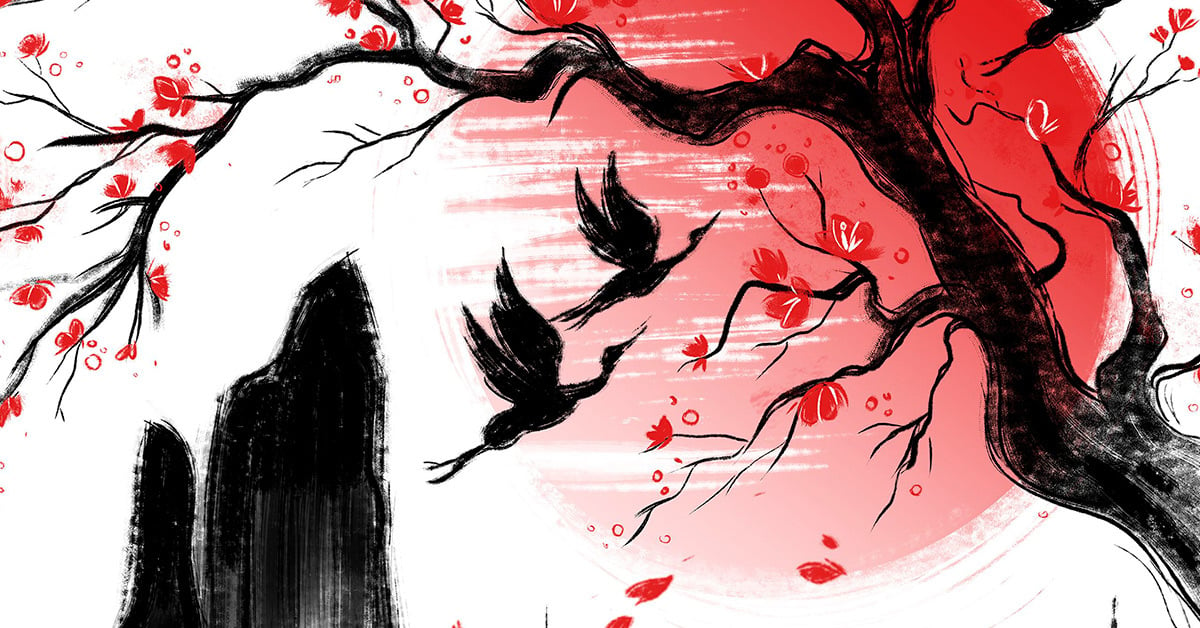
the expression or application of human creative skill and imagination, typically in a visual form such as painting or sculpture, producing works to be appreciated primarily for their beauty or emotional power
Example: In Japan, they combine demanding and minimalist art with meditation.
sk: umenie
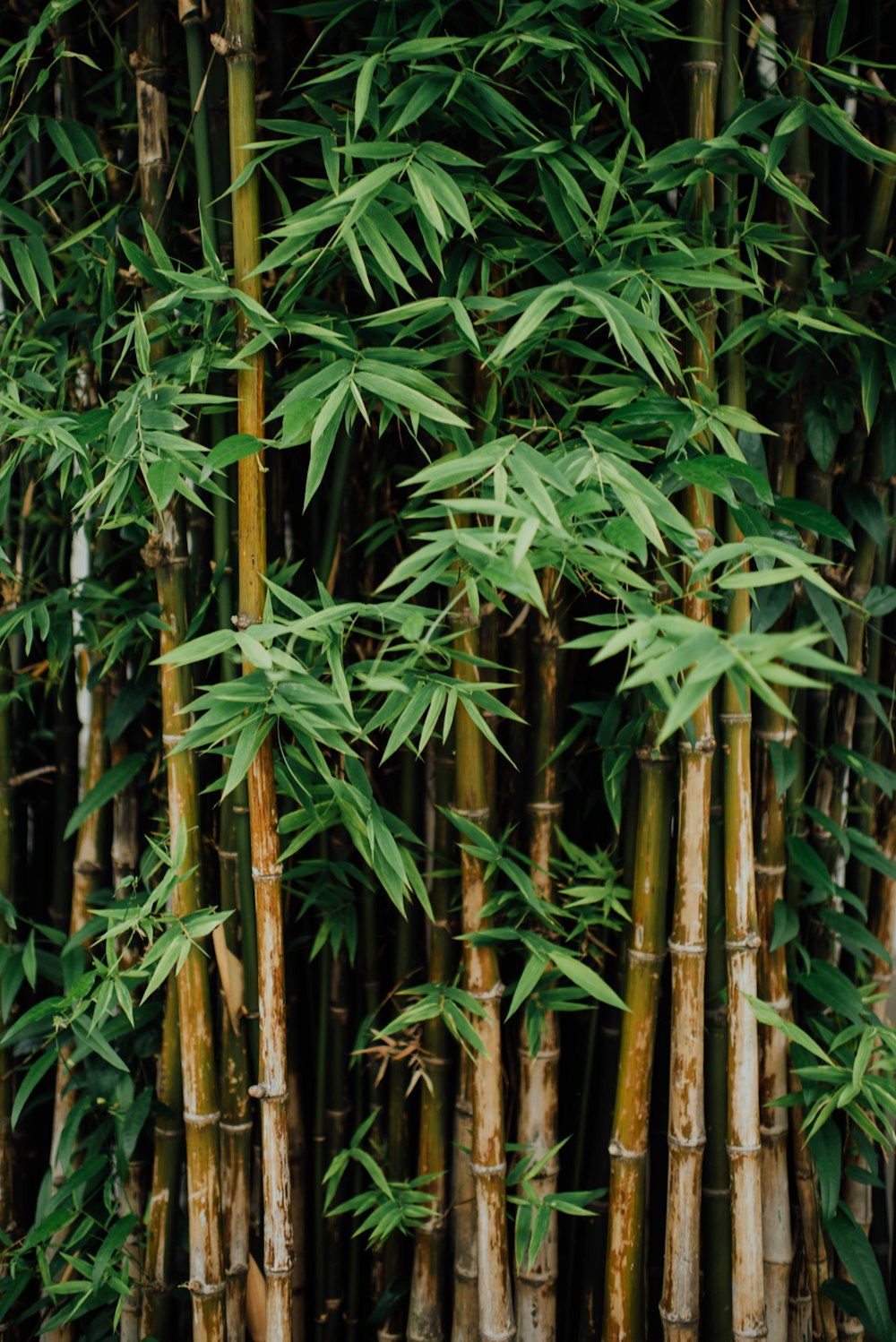
bamboo
noun
a giant woody grass which is grown chiefly in the tropics
Example: In past, Japanese masters used bamboo sticks for art.
sk: bambus
brushstroke
noun
a mark made by a paintbrush drawn across a surface
Example: Brushstrokes are broad and distinct from one another.
sk: ťah štetcom
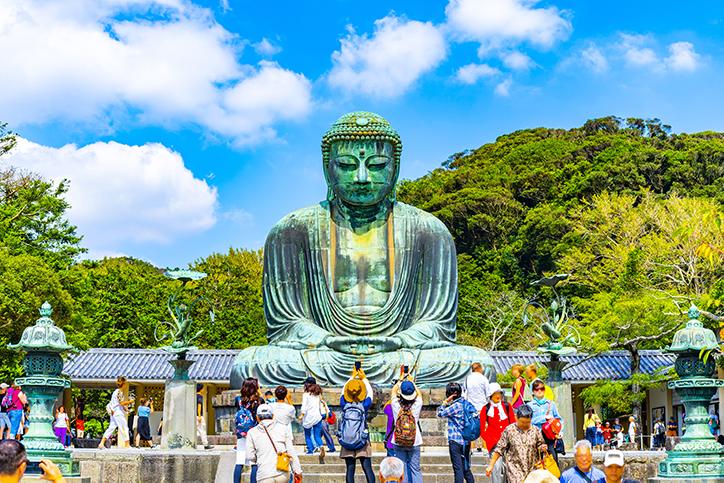
buddhism
noun
a widespread Asian religion or philosophy, founded by Siddartha Gautama in north-eastern India in the 5th century BC
Example: Buddhism has been practiced in Japan since about the 6th century CE.
sk: budhizmus
calligraphy
noun
the art of producing decorative handwriting or lettering with a pen or brush
Example: Ink-wash painting brushes are similar to the brushes used for calligraphy.
sk: kaligrafia
concentration
noun
the action or power of focusing all one's attention
Example: Concentration is very important when we meditate.
sk: koncentrácia
dynasty
noun
a line of hereditary rulers of a country
Example: The ink was developed during the Sung dynasty.
sk: dynastia
ink
noun
a colored fluid or paste used for writing, drawing, printing, or duplicating
Example: Japanese monochrome ink painting was first developed in China.
sk: atrament
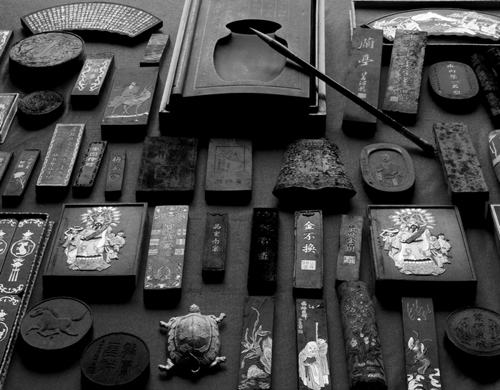
inkstick
noun
A cake of solid ink used in traditional East Asian calligraphy and painting.
Example: Most inksticks are made of soot from pine or oil combined with animal glue.
sk: atramentová tyčinka
inkstone
noun
A stone used in Chinese art and calligraphy on which dry ink and water are mixed.
Example: An inkstone is traditional Chinese stationery.
sk: atramentový kameň
master
noun
a man who has people working for him (servants)
Example: A master of the art.
sk: majster
meditation
noun
the action or practice of meditating
Example: They work on every painting with deep meditation.
sk: meditácia
minimalism
noun
a movement in sculpture and painting which arose in the 1950s, characterized by the use of simple, massive forms
Example: Minimalism is very often used in Japanese art styles.
sk: minimalizmus
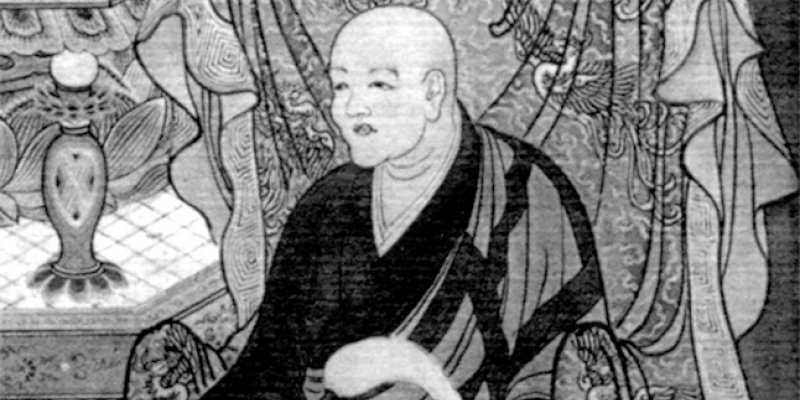
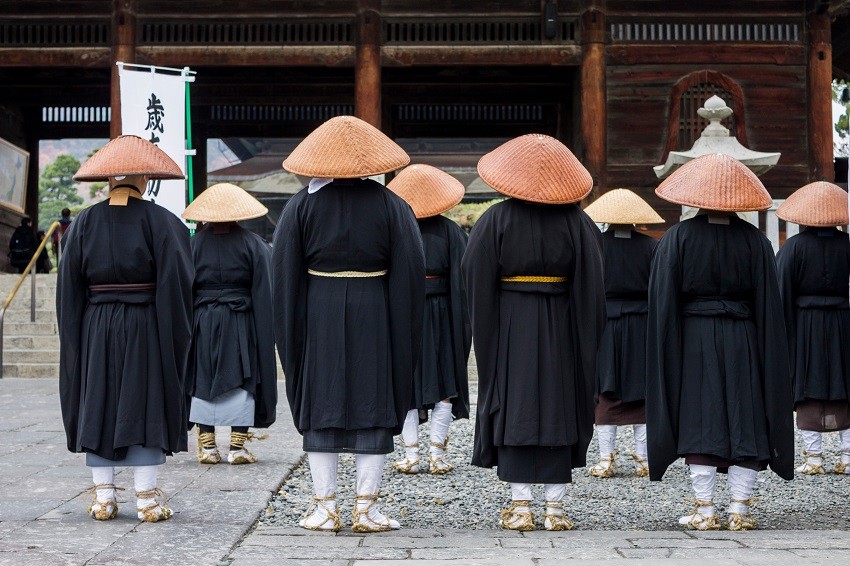
monk
noun
a member of a religious community of men typically living under vows of poverty, chastity, and obedience
Example: Japanese painting was pioneered by Buddhist monks.
sk: mních
monochrome
noun
a photograph or picture developed or executed in black and white or in varying tones of only one colour
Example: Monochrome ink is used as an exercise to enhance imagination.
sk: jednofarebnosť
rice paper
noun
a thin papery material made from the pith of a small Asian tree or shrub
Example: Rice paper is sold in dried sheets.
sk: ryžový papier
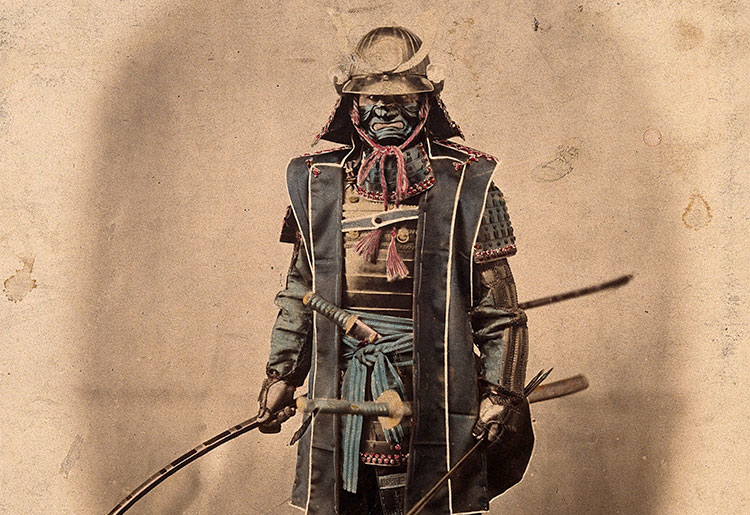
samurai
noun
a member of a powerful military caste in feudal Japan
Example: A portrait of a brave Japanese samurai.
sk: samuraj
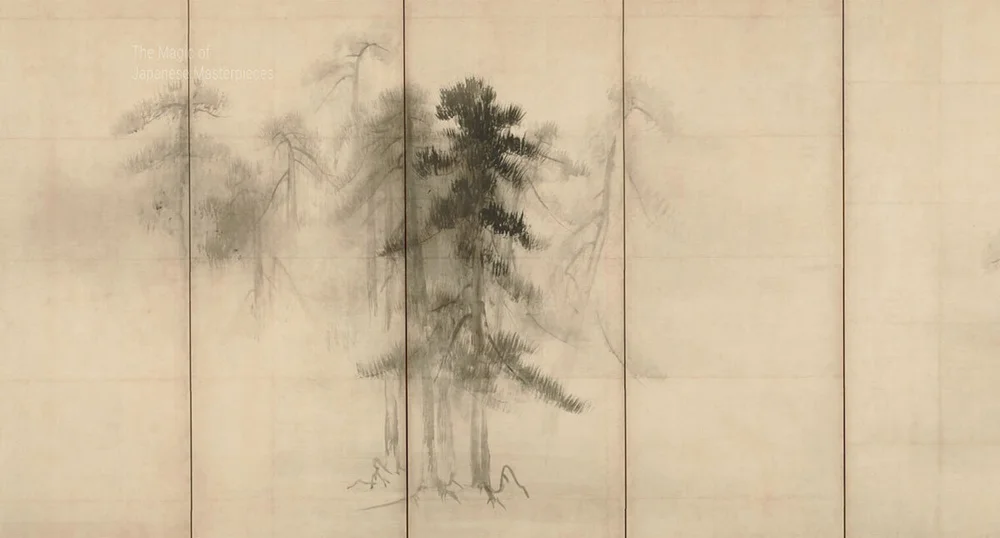
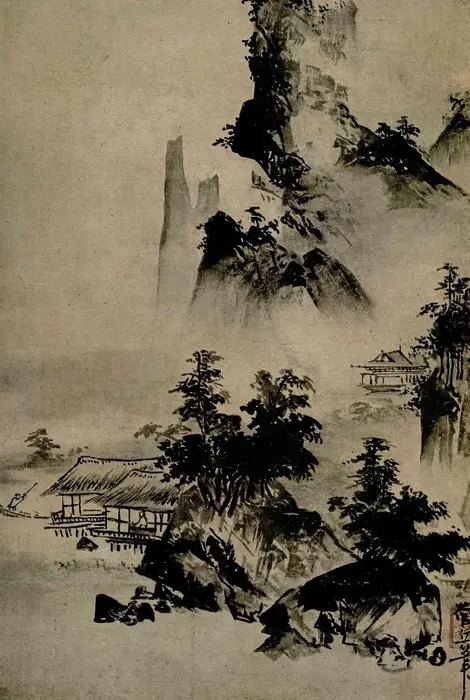
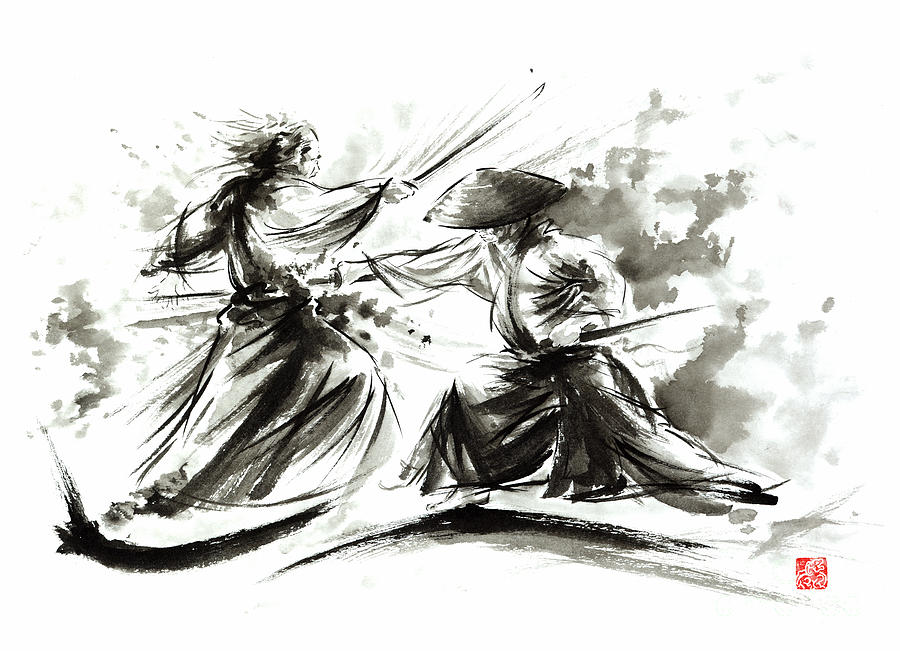
Suibokuga
noun
A style of monochrome painting characterized by the use of just two things, black ink (Sumi) and water.
Example: Suibokuga is sometimes called Zen Painting.
sk: Atramentová maľba
washi
noun
Japanese word for the traditional papers made from the long inner fibres of three plants
Example: Washi is a traditional paper used in Japan.
sk: washi japonský papier
Zen
noun
a Japanese school of Mahayana Buddhism emphasizing the value of meditation and intuition rather than ritual worship or study of scriptures